
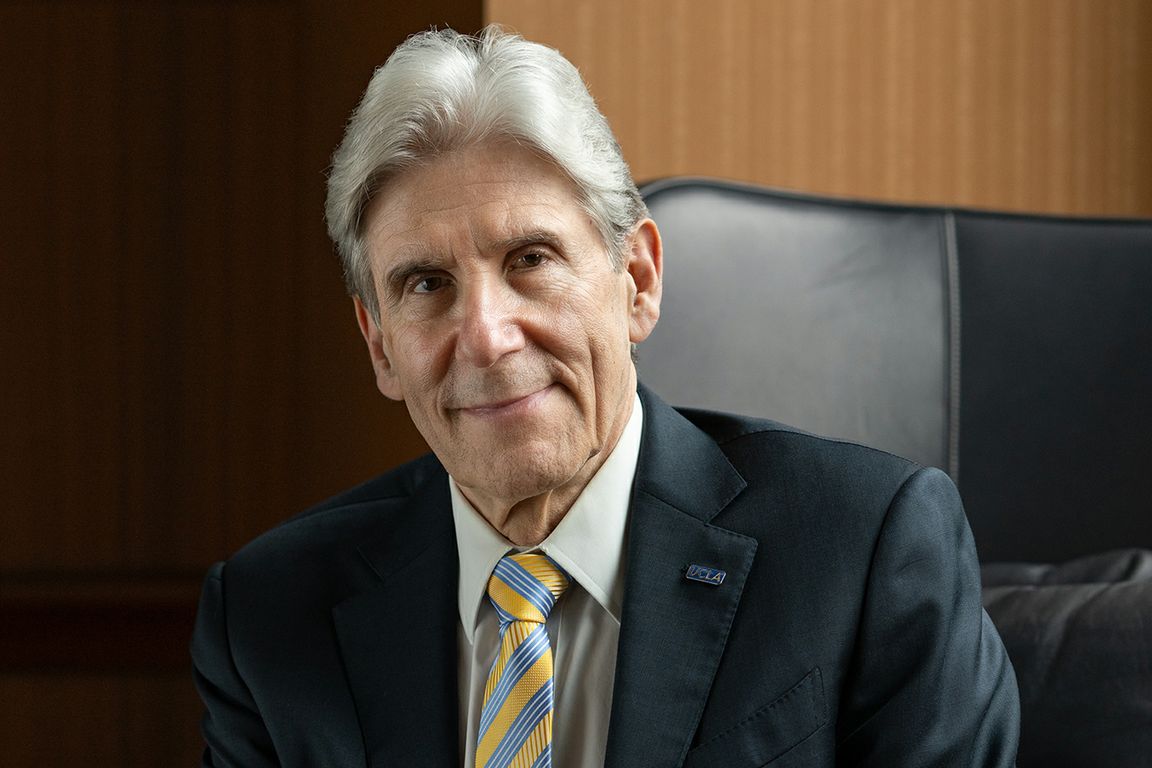
On International Holocaust Remembrance Day, UCLA Chancellor Dr. Julio Frenk shared a poignant narrative that underscores the importance of remembrance and compassion in a world often marred by prejudice and hatred. In a reflective video, he recounted his family’s harrowing escape from Nazi Germany during the 1930s, highlighting the historical context of rising antisemitism that forced his grandparents, along with his young father and aunt, to flee their homeland in search of safety and opportunity.
The family’s journey brought them to Mexico, a country that, at the time, opened its doors to those seeking refuge from persecution. Despite facing the challenges of language barriers and cultural unfamiliarity, Frenk’s family was welcomed by the Mexican people, who provided them with the chance to rebuild their lives. This act of generosity and acceptance fundamentally shaped Frenk’s identity and values. He has referred to this experience as “the defining event in my life,” emphasizing that the kindness extended to his family not only changed their fate but also instilled in him a deep sense of responsibility toward fostering compassion in society.
Frenk’s personal story serves as a powerful reminder of the importance of empathy and human connection, especially in contemporary times when antisemitism and other forms of intolerance remain prevalent. By sharing his family’s history, he highlights the critical lessons that can be learned from the past—namely, that acts of kindness can create profound impacts and help combat the forces of hatred and division.
As the world observes International Holocaust Remembrance Day, Frenk’s narrative resonates as a call to action. It serves as a reminder that the scars of history remain relevant and that honoring the memories of those who suffered during the Holocaust necessitates an ongoing commitment to understanding, tolerance, and support for marginalized communities today. The Chancellor’s message urges individuals to reflect on their own roles within society and to champion kindness and solidarity, echoing the hope that such values can lead to a more inclusive and compassionate future.
In conclusion, through personal narratives rooted in historical experience, leaders like Dr. Julio Frenk inspire us to confront the legacy of the Holocaust and advocate for a world where human dignity and connection prevail over hatred and division.